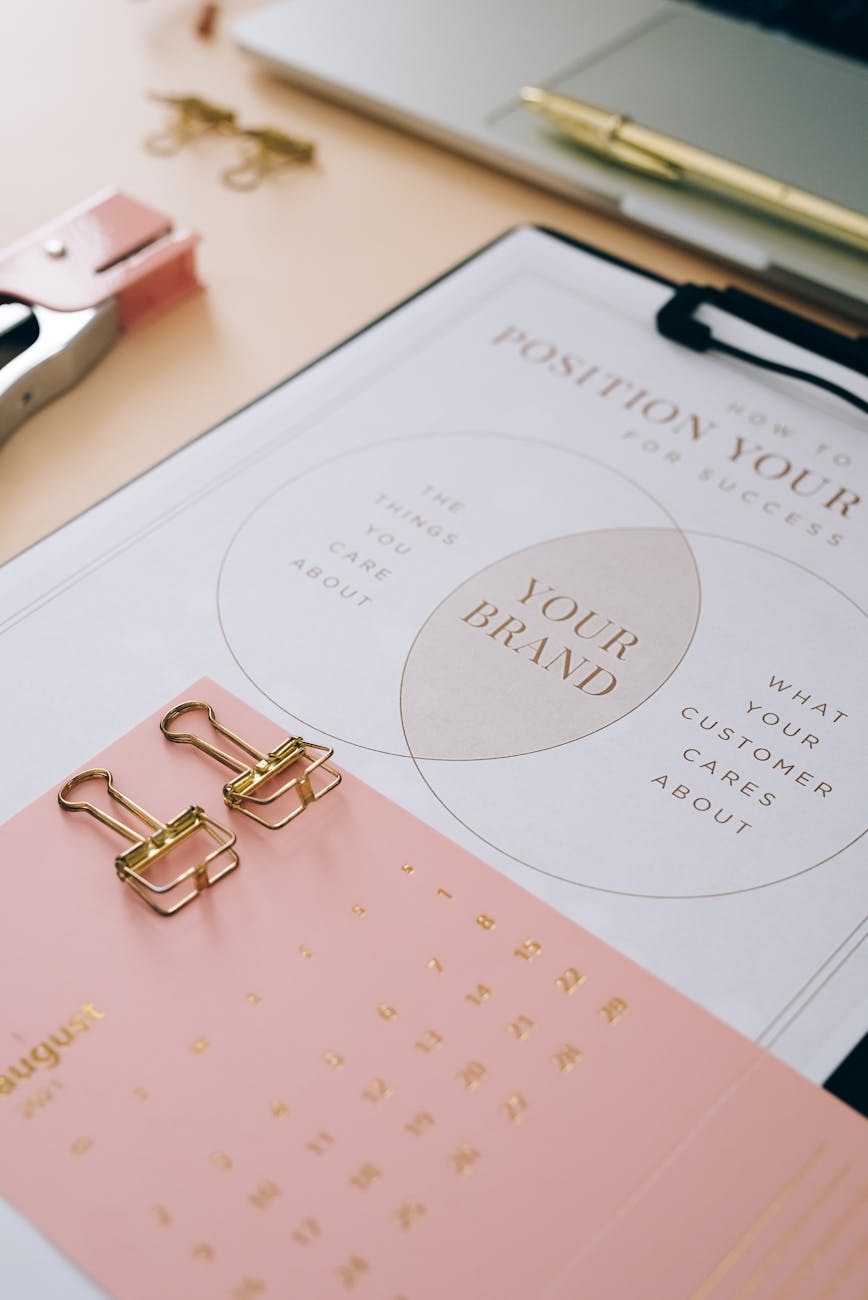
In my Consumer Behaviour course next week, we are discussing aligning brand positioning with the target audience. I’d love to hear from my network: how does your brand ensure this alignment?
How to develop a strong brand positioning statement: a step-by-step guide A brand positioning statement is more than just a tagline or mission statement—it’s a strategic foundation that defines how a brand is perceived in the minds of its target audience. A well-crafted positioning statement provides clarity, differentiation, and direction for all marketing efforts.
So, what makes a strong brand positioning statement? Here’s a simple, step-by-step approach:
Step 1: Identify Your Target Audience Who are you trying to reach? A positioning statement should be written with a specific audience in mind. Understanding their needs, preferences, and pain points is the first step in crafting a message that resonates.
Step 2: Define Your Market Category Every brand exists within a competitive landscape. Are you a premium brand, a budget-friendly alternative, or an innovator in a new category? Positioning requires a clear understanding of where you fit within the broader market.
Step 3: Highlight Your Unique Value What makes your brand different? This is the heart of brand positioning. Your value proposition should focus on what sets you apart—whether it’s superior quality, innovation, customer experience, or something else entirely.
Step 4: Support with Proof Points A positioning statement isn’t just about making claims; it needs credibility. What evidence or brand attributes reinforce your positioning? This could be product features, brand heritage, awards, or customer testimonials.
Step 5: Craft the Statement A classic formula for writing a positioning statement is: “For [target audience], [brand] is the [market category] that [unique value], because [proof point].”
For example: “For busy professionals, Brand X is the meal kit service that offers restaurant-quality dishes in 20 minutes. That’s because our pre-measured ingredients and chef-designed recipes simplify cooking without compromising on taste.”
Finally, a positioning statement is not the same as an advertising tagline or a mission statement. It isn’t meant for consumers—it’s an internal guide that keeps branding, messaging, and strategy consistent across all marketing efforts.
“For [target audience], [brand] is the [market category] that [unique value], because [proof point].”
I’m a professor, marketing expert, and children’s author passionate about the power of storytelling – whether it’s inspiring students in the classroom, helping brands connect meaningfully with their audiences, or sparking imagination in young readers. With years of experience in marketing education and industry strategy, I bring a thoughtful, creative approach to everything I do. I value curiosity, clarity, and connection, and I’m driven by a deep belief that good ideas, whether in business or books, deserve to be shared in ways that resonate and make an impact.



Leave a comment